

Why Children Need Movement and Unstructured Play
Watch a group of children at play, and you may notice something that is difficult to put into words. Some

Watch a group of children at play, and you may notice something that is difficult to put into words. Some

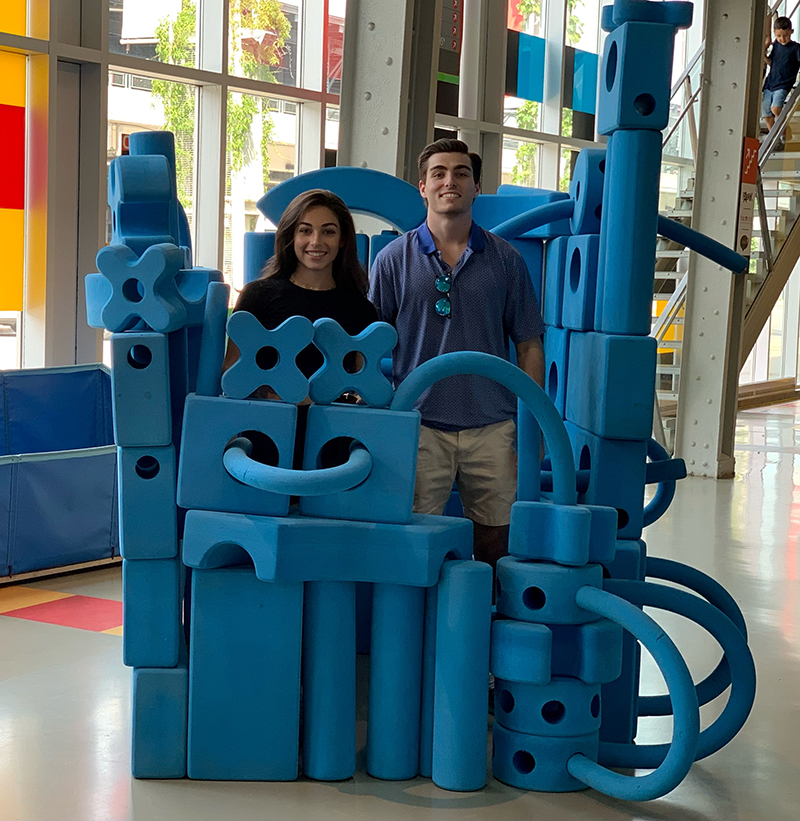
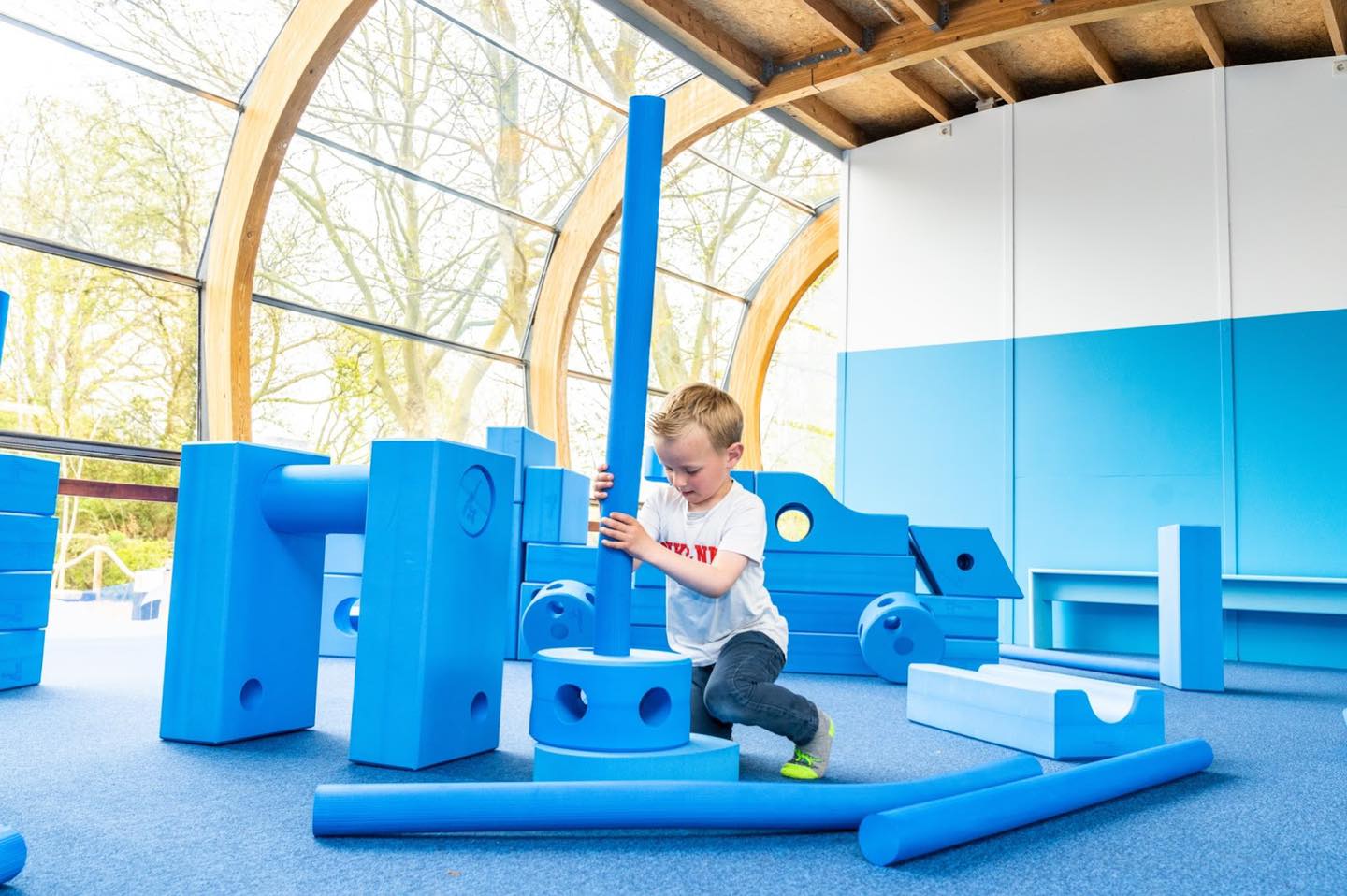
Discover the science behind meaningful play and why open-ended, child-led experiences are essential for healthy development. Learn how play builds creativity, problem-solving skills, resilience, social connections, and a lifelong love of learning.
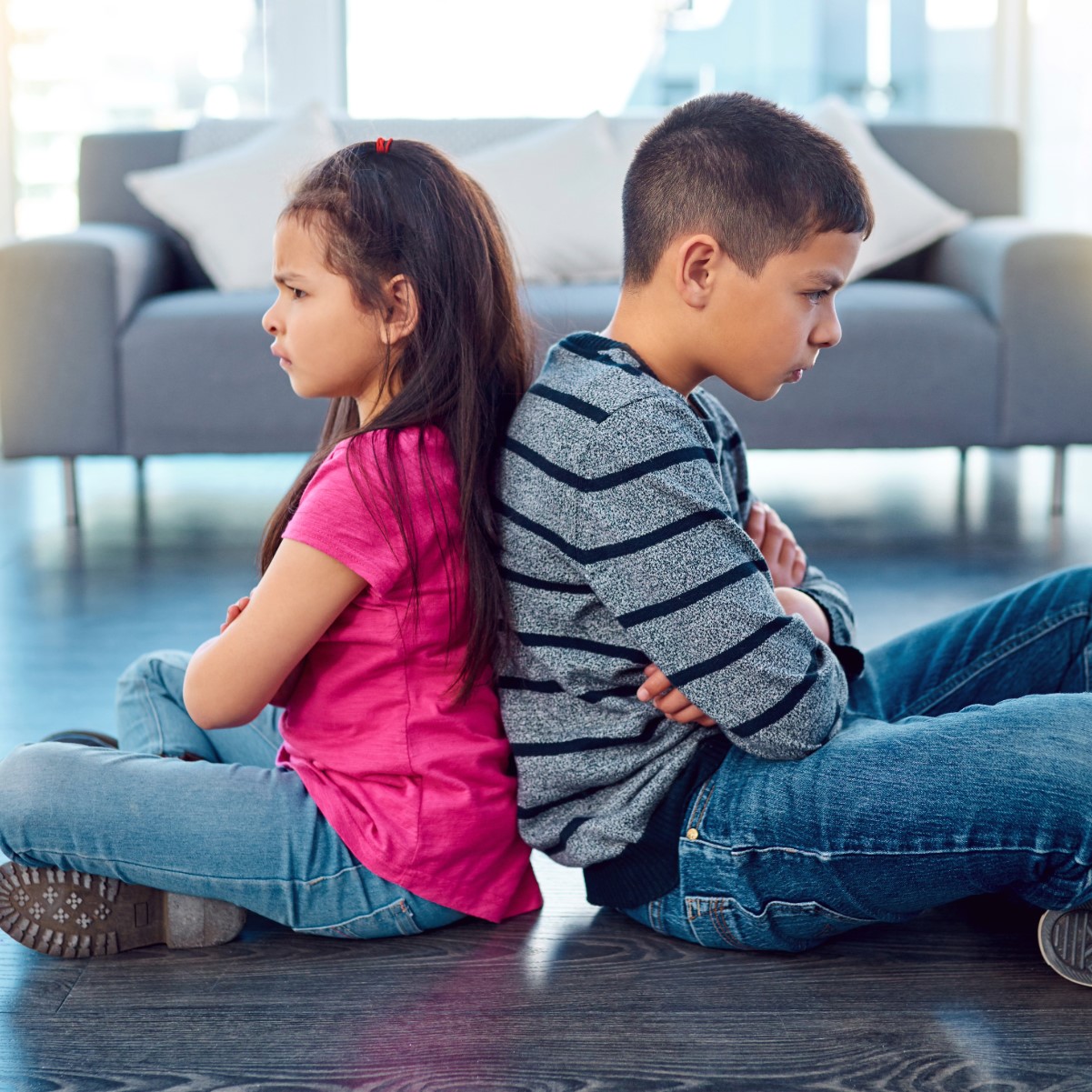
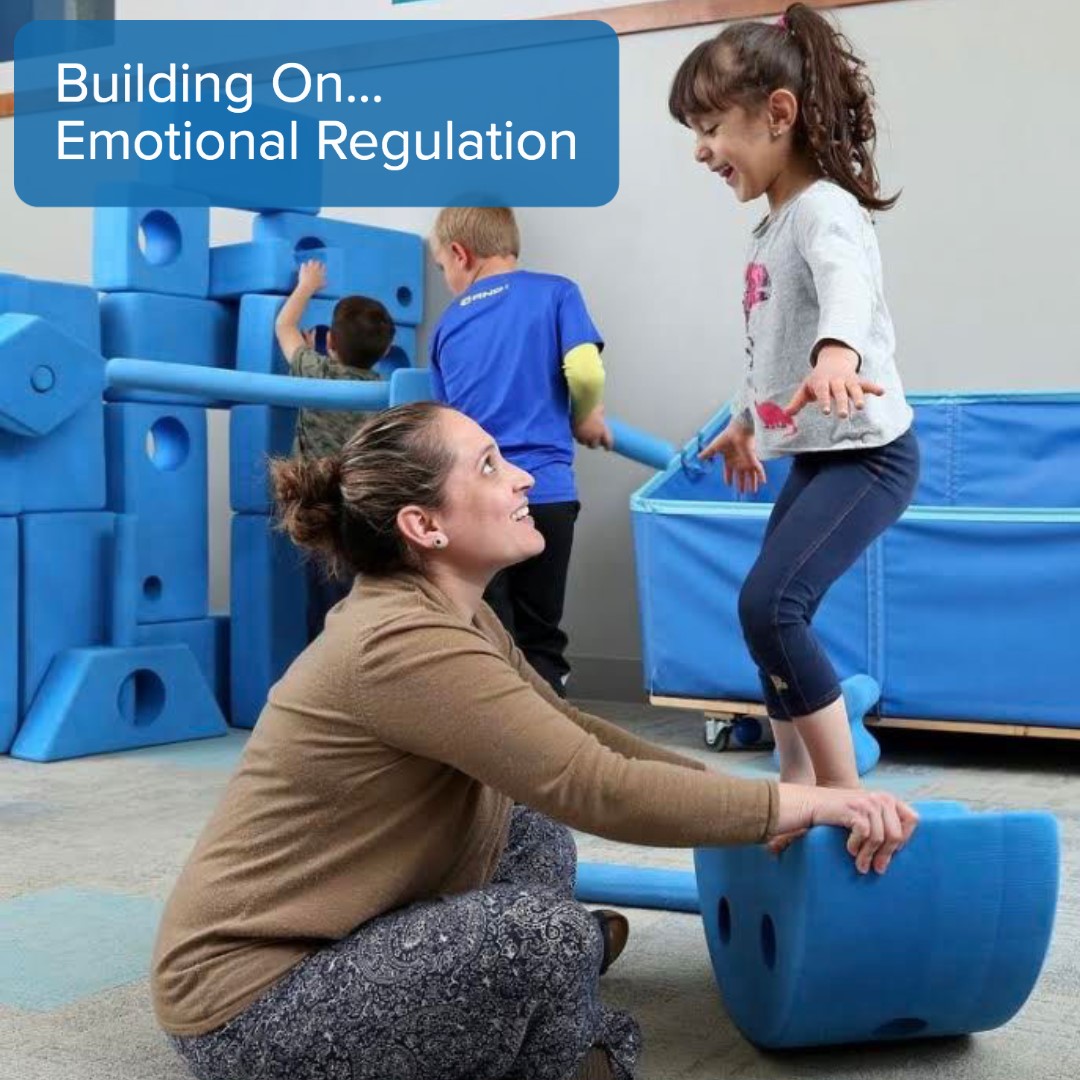
Help children turn big emotions into opportunities for growth. Discover how open-ended play can support anger management by encouraging emotional regulation, problem-solving, communication, resilience, and healthy ways to express feelings.

Patience is a skill children build through experience, not instruction alone. Discover how open-ended play encourages perseverance, problem-solving, emotional regulation, and resilience as children learn to slow down, overcome challenges, and grow with confidence.

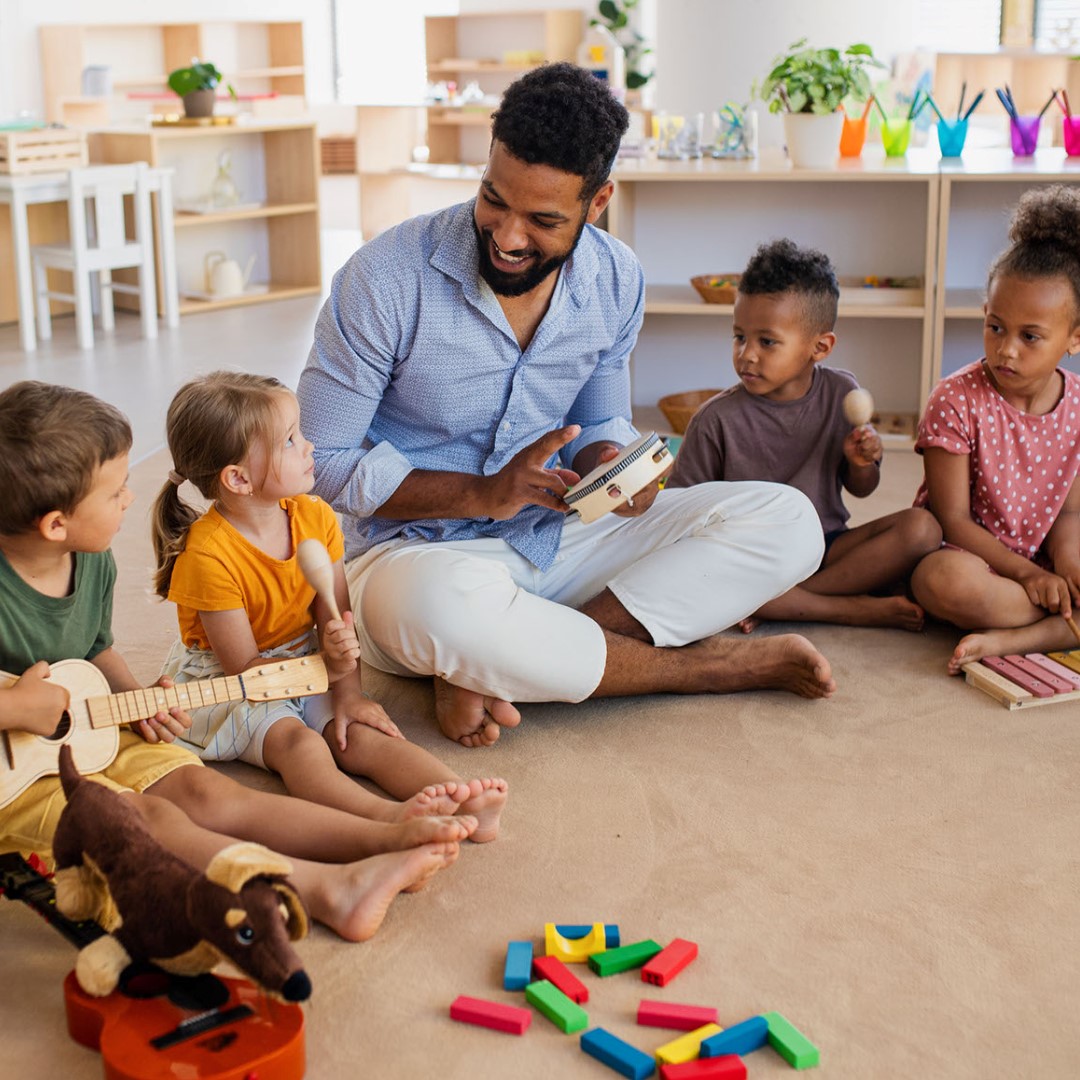
Music and play create powerful opportunities for children to learn and grow. Discover how combining open-ended play with music helps build creativity, communication, coordination, emotional expression, and social skills while making learning joyful and engaging.

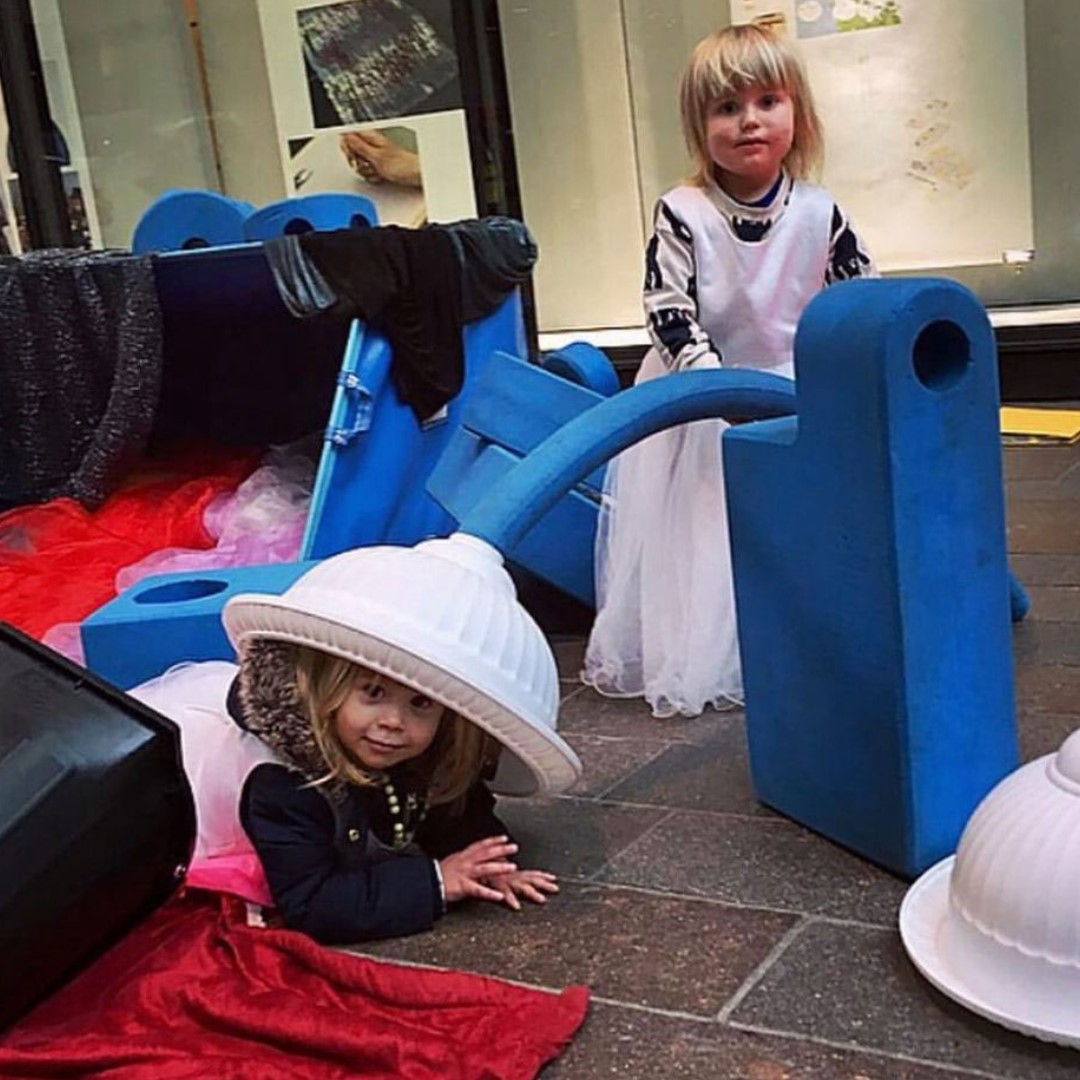
Open-ended materials unlock endless possibilities for creativity and learning. Discover how simple, versatile play materials encourage imagination, problem-solving, collaboration, and confidence while empowering children to create, explore, and learn through play.

It seems like every time I refresh my inbox there is a new email popping in with a report on why we need to do more of “this” or less of “that” to help our children developmentally.

As parents, we want to give our children every opportunity to succeed in life. We research and enroll them in the best schools, activities, and programs available. But what if we’re overcomplicating what makes a child “successful”?

From the time they are born, your child is communicating. Crying, laughing, grabbing, eye contact. While not requiring the spoken word, your child is talking to you. This only becomes more effective once they start using their own words, words that they learn at home, on the street, at school, and during playtime, especially with block play.
We use cookies to help build a better browsing experience for you. Some blocks are essential to make our site work, while others help us understand how you play and shop so we can improve.
Manage your cookie preferences below:
Essential cookies enable basic functions and are necessary for the proper function of the website.
You can find more information in our Cookie Policy and .