


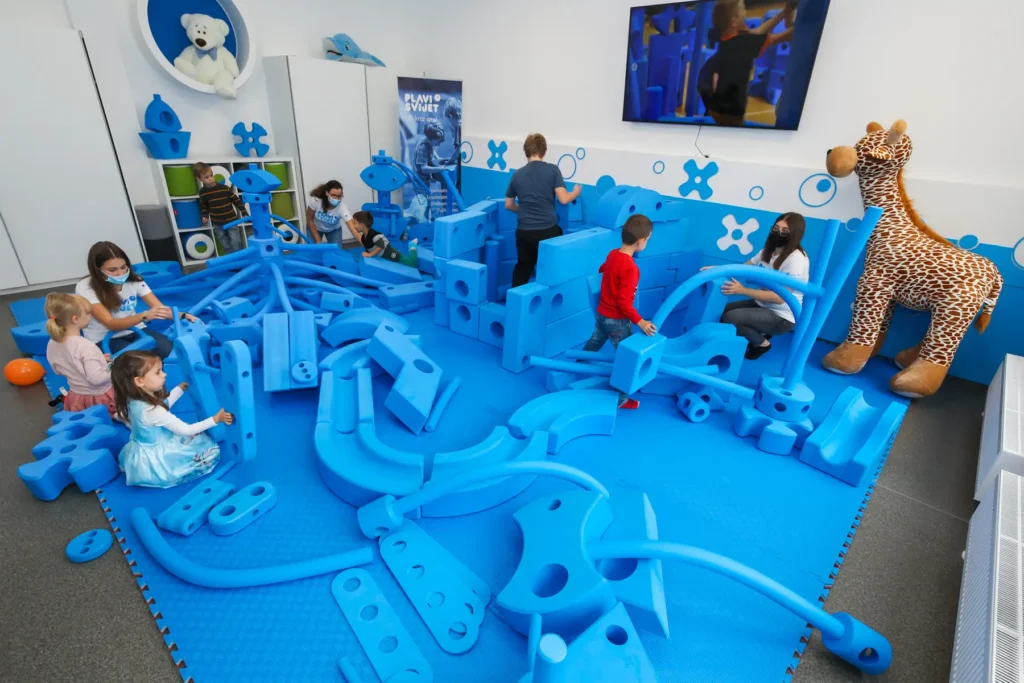
Discover how to design a loose parts playground that inspires creativity, encourages collaboration, and transforms everyday play into meaningful learning experiences.
Traditional playgrounds offer familiar experiences. Children climb ladders, slide down slides, and swing back and forth. These activities provide valuable opportunities for physical development, but the equipment generally determines how children interact with the space.
A loose parts playground takes a different approach.
Instead of relying entirely on fixed structures, loose parts playgrounds introduce movable materials that children can arrange, combine, build, and transform into whatever they imagine.
A collection of large building blocks might become a castle in the morning, a spaceship in the afternoon, and an elaborate obstacle course the following day.
The playground changes because the children change it.
For schools, early childhood centers, parks departments, and community organizations, loose parts playgrounds offer a flexible way to encourage creativity, problem-solving, physical activity, and collaborative learning.
Whether you’re designing a new play space or introducing loose parts into an existing playground, this guide will help you choose appropriate materials, plan your layout, address accessibility and safety, and create an environment where imagination leads the way.
What Is a Loose Parts Playground?
A loose parts playground is a play environment that includes movable, open-ended materials children can use in multiple ways.
Unlike traditional playground equipment, which generally has a defined purpose, loose parts allow children to determine how objects are used.
Common loose parts playground materials include:
- Large foam building blocks
- Wooden blocks and planks
- Tubes and connectors
- Buckets and containers
- Fabric and play panels
- Sand and water
- Natural materials such as logs, leaves, and stones
- Other durable, age-appropriate building materials
Children might use these materials to construct bridges, create imaginary buildings, invent games, or design their own play environments.
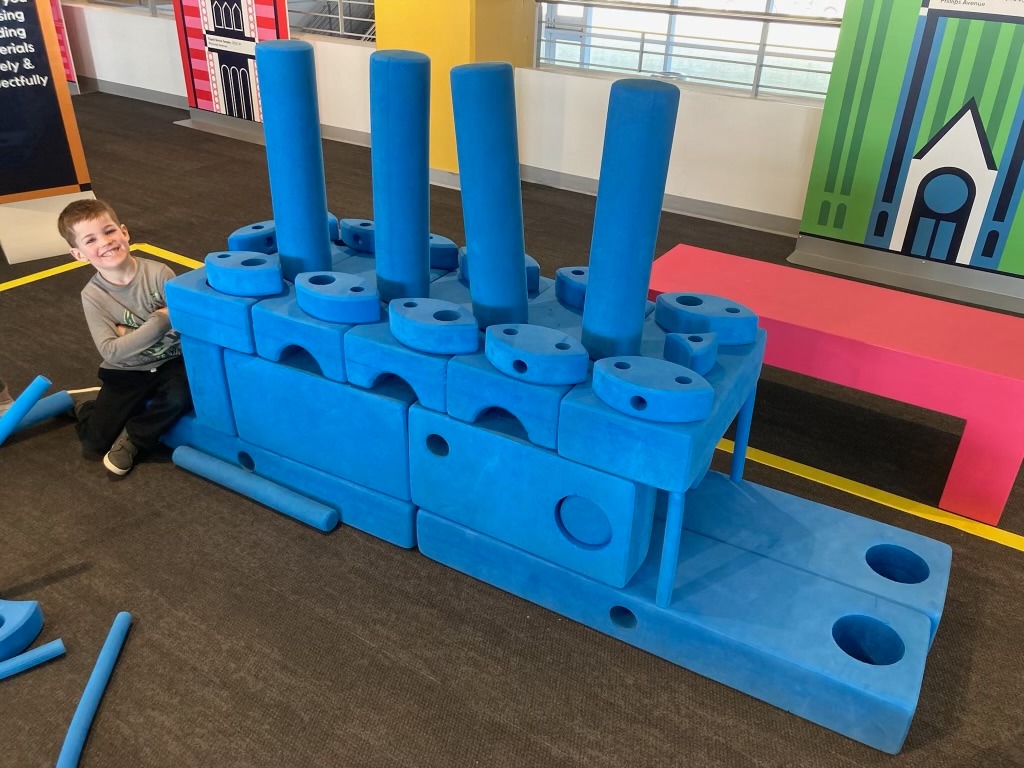
The goal isn’t to build a particular structure. It’s to provide materials that support exploration, experimentation, and creative thinking.
This approach is rooted in the Theory of Loose Parts, introduced by architect Simon Nicholson in 1971. Nicholson proposed that environments with more opportunities for manipulation and experimentation encourage creativity and discovery.
For a deeper look at the concept, explore our Loose Parts Play: The Complete Guide.
Why Create a Loose Parts Playground?
A thoughtfully designed loose parts playground offers more than an alternative to traditional playground equipment. It creates opportunities for children to develop important skills through self-directed play.
Encourages Creativity and Imagination
Loose parts have no single correct use.
A curved foam block might become a bridge, a tunnel, a dinosaur tail, or part of an imaginary vehicle.
Because children determine what each material represents, every play session presents new possibilities.
Develops Problem-Solving Skills
Building with loose parts naturally introduces challenges.
Children must figure out how to balance structures, connect materials, and improve designs that don’t work as expected.
These experiences encourage experimentation, persistence, and critical thinking.
Supports STEM Learning
Loose parts playgrounds provide hands-on opportunities to explore science, technology, engineering, and mathematics.
Children experiment with gravity, balance, measurement, geometry, and spatial relationships as they build and redesign structures.
Rather than simply learning about these concepts, they experience them through play.
Promotes Collaboration
Large-scale construction often requires teamwork.
Children learn to communicate their ideas, negotiate decisions, share materials, and work toward common goals.
These interactions support social-emotional development and help children practice cooperation.
Encourages Physical Activity
Loose parts playgrounds invite children to lift, carry, stack, push, pull, reach, and move around their creations.
These activities support gross motor development, coordination, balance, and spatial awareness.
Creates a Playground That Continually Changes
One of the greatest advantages of loose parts is flexibility.
Instead of offering the same experience every day, a loose parts playground evolves with children’s interests.
The same collection of materials can support imaginative construction, cooperative games, engineering challenges, and creative storytelling.
Learn more about these developmental benefits in our article, The Magic of Open-Ended Materials.
Step 1: Identify Your Playground’s Purpose and Audience
Before selecting materials or designing a layout, consider who will use the playground and what you want the space to accomplish.
A preschool playground will have different requirements from an elementary school recess area or a community park.
Loose Parts Playgrounds for Preschools
Early childhood centers should prioritize materials that are easy to manipulate, appropriately sized, and suitable for younger children.
Preschoolers benefit from opportunities to stack, carry, arrange, sort, and engage in imaginative play.
Materials should support exploration without requiring complicated instructions.
Loose Parts Playgrounds for Elementary Schools
Elementary students often enjoy larger construction challenges and collaborative projects.
They may create elaborate buildings, bridges, vehicles, obstacle courses, or imaginary environments.
Schools can also incorporate loose parts into recess, outdoor classrooms, and STEM activities.
Loose Parts Playgrounds for Parks and Recreation Departments
Public parks may serve children across a wide range of ages and abilities.
These environments require careful consideration of durability, supervision, storage, accessibility, maintenance, and daily operations.
Some parks departments introduce loose parts through scheduled play programs or staffed pop-up playgrounds rather than leaving materials available without supervision.
Loose Parts Playgrounds for Community Organizations
Libraries, museums, camps, and recreation centers can use loose parts to create temporary or permanent play environments.
Portable materials are particularly valuable when a space serves multiple purposes.
Planning tip: Begin by defining your primary age groups, expected number of participants, available supervision, and whether the playground will operate daily, seasonally, or during special events.
Step 2: Choose the Right Loose Parts Playground Materials
The materials you select will determine how versatile, manageable, and engaging your playground becomes.
An effective collection should include a variety of shapes, sizes, textures, and functions.
Natural Loose Parts
Natural materials help children connect with the outdoors while encouraging sensory exploration.
Examples include:
- Logs and tree cookies
- Large smooth stones
- Sticks and branches
- Pinecones
- Leaves
- Sand
- Water
Natural loose parts work particularly well in outdoor classrooms, nature-based preschools, and supervised garden play areas.
However, materials should be inspected for sharp edges, splinters, decay, contamination, and other hazards.
Recycled and Repurposed Materials
Recycled materials can provide an affordable introduction to loose parts play.
Examples include:
- Cardboard boxes
- Large cardboard tubes
- Plastic buckets
- Clean containers
- Fabric remnants
- Large spools
- Durable crates
These materials encourage children to see everyday objects in new ways.
Not every recycled item is suitable for a playground. Avoid materials with sharp edges, exposed fasteners, unstable construction, hazardous residues, or components that could create choking or entrapment hazards.
Purpose-Built Loose Parts
Purpose-built materials are designed specifically for repeated play and may offer advantages in durability, cleaning, portability, and storage.
Examples include:
- Large foam blocks
- Foam cylinders and arches
- Building connectors
- Play panels
- Construction planks
- Movable building components
Imagination Playground Big Blue Blocks are an example of purpose-built loose parts that encourage large-scale construction and imaginative play.
Children can combine the uniquely shaped blocks to create structures, vehicles, sculptures, and imaginary environments.
Because the blocks are movable, the play space can change throughout the day.
Discover more about Imagination Playground Big Blue Blocks.
Combining Different Materials
A successful loose parts playground doesn’t need to rely on just one type of material.
For example, an outdoor play area might include large foam blocks for construction, fabric for imaginative storytelling, and natural materials for sensory exploration.
Combining materials can expand creative possibilities, provided the materials are compatible and safe for the intended ages and setting.
Step 3: Design a Flexible Playground Layout
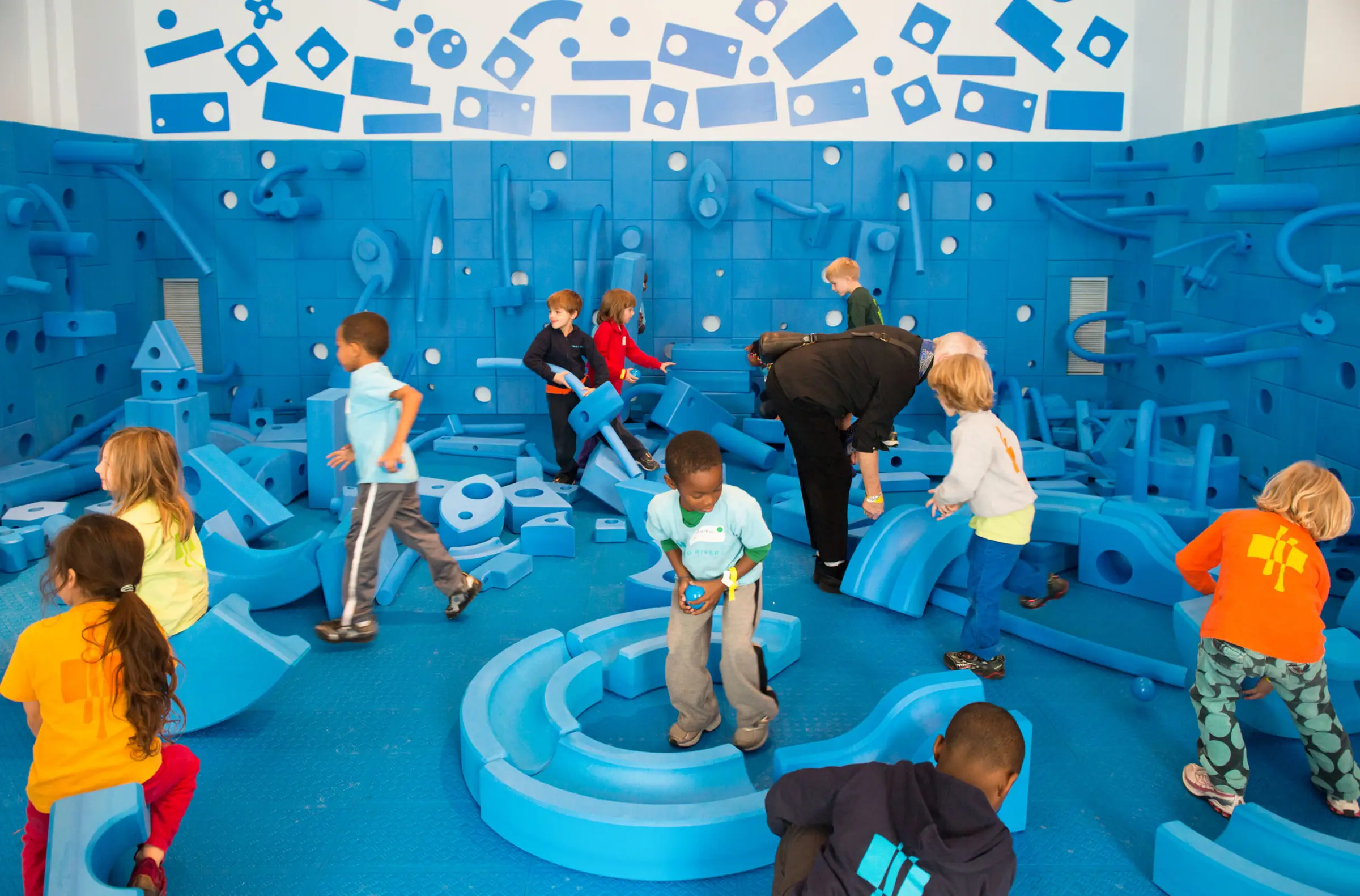
The layout of a loose parts playground should encourage movement, exploration, and collaboration without limiting children’s creativity.
Unlike fixed playgrounds, loose parts environments benefit from adaptable spaces.
Create an Open Construction Area
Provide a clear area where children can build large structures and work together.
This area should accommodate movement around creations, material transport, and adult supervision.
Avoid overcrowding the space with permanent equipment.
Include Quiet Exploration Areas
Not every child wants to participate in a large group activity.
Consider providing smaller areas for independent construction, sensory exploration, or imaginative storytelling.
These spaces can be particularly helpful for children who prefer quieter play experiences.
Provide Clear Circulation Paths
Children and adults should be able to move comfortably through the playground.
Maintain accessible routes between activity areas, entrances, storage locations, and other amenities.
Keep loose materials and temporary structures from obstructing required accessible paths.
Plan for Different Types of Play
A flexible playground might include areas for:
- Large-scale construction
- Imaginative storytelling
- Sensory exploration
- Collaborative projects
- Independent play
- Quiet observation
These don’t need to be rigidly separated. The goal is to provide enough flexibility for different activities to happen simultaneously.
Consider the Surface
Choose surfaces based on the intended activities, drainage, accessibility, maintenance, and the equipment being used.
A level, firm, stable surface may work well for many ground-level building activities.
Where play involves equipment or activities with fall hazards, appropriate impact-attenuating surfacing and applicable safety requirements must also be considered.
Step 4: Design an Inclusive and Accessible Play Space
A well-designed loose parts playground should encourage participation by children with a wide range of abilities, interests, and developmental needs.
Because loose parts can be used in many different ways, they offer opportunities for flexible participation. However, accessibility requires intentional planning.
Provide Accessible Routes
Ensure children and caregivers using mobility devices can reach and move between play areas.
Routes should meet applicable accessibility requirements and remain clear during play.
Offer Materials at Different Heights
Not every activity needs to happen on the ground.
Consider accessible tables, raised building surfaces, and ground-level construction areas so children can participate from seated or standing positions.
Include Different Sizes and Weights
A variety of materials can support different physical abilities.
Some children may prefer lightweight pieces that are easy to lift, while others may enjoy larger construction materials.
Provide Sensory Choices
Include opportunities for active play as well as quieter experiences.
Children may benefit from spaces with reduced noise, predictable boundaries, or fewer competing sensory demands.
Encourage Multiple Ways to Participate
One child might build a structure while another develops its story, arranges materials, or helps plan the design.
These different contributions should all be valued.
For public projects, involve accessibility professionals and people with disabilities during planning. Loose parts should complement, not replace, accessible playground features and routes.
Step 5: Plan for Safe Loose Parts Play
Safety is one of the most important considerations when introducing movable materials into a playground.
Because children can rearrange loose parts, playground operators need procedures that account for changing play conditions.
Select Age-Appropriate Materials
Choose materials based on the developmental abilities of the children using the playground.
Pay particular attention to small parts, choking hazards, sharp edges, weight, and the potential for unstable structures.
Establish Appropriate Supervision
Loose parts play is child-directed, but that doesn’t mean adults should be absent.
Supervisors should observe play, identify developing hazards, and intervene when necessary while allowing children to make appropriate decisions independently.
Inspect Materials Regularly
Establish a routine for checking materials for:
- Cracks or broken components
- Sharp edges
- Exposed fasteners
- Splinters
- Deterioration
- Contamination
- Damage affecting structural stability
Remove damaged or unsafe materials promptly.
Manage Building Heights and Stability
Children may naturally want to build increasingly tall structures.
Establish appropriate limits based on the materials, age groups, supervision, and manufacturer’s guidance.
Discourage climbing on structures that aren’t designed or approved for climbing.
Maintain Clear Safety Zones
Keep movable materials out of required use zones around fixed playground equipment.
Children should not be allowed to build structures that interfere with swings, slides, emergency access, or accessible routes.
Follow Applicable Playground Standards
Schools and parks departments should review relevant playground safety guidance, including the U.S. Consumer Product Safety Commission’s Public Playground Safety Handbook and applicable ASTM standards.
Public playgrounds may also be subject to ADA accessibility requirements, state regulations, local codes, and organizational policies.
A loose parts area may require a different safety assessment from a conventional fixed-equipment playground. Consult qualified playground safety and accessibility professionals when planning public installations.
For additional guidance, visit the U.S. Consumer Product Safety Commission.
Step 6: Develop a Practical Storage System
Storage is often overlooked when planning a loose parts playground.
However, a well-organized storage system can make the difference between a program that’s easy to operate and one that becomes difficult to maintain.
Use Accessible Storage
When appropriate, allow children to help select and return materials.
Clearly organized storage encourages independence and teaches responsibility.

Protect Materials from Weather
Consider how rain, sunlight, temperature changes, and moisture may affect different materials.
Follow manufacturer recommendations for outdoor exposure, cleaning, drying, and storage.
Choose Storage Based on the Setting
Possible solutions include:
- Dedicated storage sheds
- Lockable equipment rooms
- Shelving systems
- Storage carts
- Manufacturer-approved storage bags or containers
Ensure stored materials don’t obstruct exits or accessible routes.
Make Cleanup Part of the Routine
Cleanup can become another opportunity for learning.
Children can sort materials by size, shape, or type while practicing cooperation and organizational skills.
For public parks and community events, assign responsibility for setup, inspections, cleanup, and secure storage.
Step 7: Create a Maintenance and Operating Plan
A loose parts playground needs more than an initial collection of materials.
It also needs a plan for long-term operation.
Before opening, determine who will be responsible for:
- Setting up the play area
- Inspecting materials
- Supervising play
- Cleaning equipment
- Replacing damaged items
- Organizing storage
- Reviewing accessibility
- Documenting incidents and maintenance
For schools, these responsibilities may be shared among teachers, recess supervisors, and facilities staff.
For parks departments, they may involve recreation programmers, maintenance personnel, and seasonal staff.
Consider a Pilot Program
If you’re unsure how loose parts play will work in your setting, start with a small pilot.
Introduce a manageable collection of materials during scheduled play sessions.
Observe how children interact with the materials, how much space they need, and which storage and supervision procedures work best.
Use these observations to refine the program before expanding it.
This approach can help organizations make informed decisions about equipment, staffing, and long-term investment.
Step 8: Encourage Child-Led Play
Once the materials and environment are ready, the most important step is allowing children to take ownership of the experience.
Adults sometimes feel compelled to demonstrate what children should build.
However, providing too much direction can limit the experimentation that makes loose parts play valuable.
Instead, encourage children to explore freely.
Ask Open-Ended Questions
Questions that encourage reflection include:
- What are you creating?
- How did you decide to use those pieces?
- What else could this become?
- How could you make your structure stronger?
- What might happen if you try another approach?
Let Children Experiment
A structure that collapses isn’t necessarily a failed activity.
It can become an opportunity to investigate balance, stability, and design.
Allow children to test solutions and learn from the results when it’s safe to do so.
Encourage Collaboration Naturally
Large construction projects often attract multiple children.
Give them opportunities to negotiate roles, share ideas, and solve problems together without requiring every child to participate in the same way.
Focus on the Process
The value of loose parts play isn’t measured by the height of a tower or the complexity of a finished structure.
It’s found in the exploration, creativity, communication, and problem-solving that happen along the way.
Our article Stepping Back and Watching Big Ideas Take Shape explores how allowing children to lead can inspire remarkable creativity.
How Imagination Playground Big Blue Blocks Support Loose Parts Playgrounds
For organizations looking to create flexible play environments, Imagination Playground Big Blue Blocks offer a purpose-built approach to open-ended construction play.
Rather than providing a fixed structure with predetermined activities, the blocks allow children to create and continually redesign their play environment.
A single collection of blocks can become:
- A castle
- A bridge
- A spaceship
- An imaginary city
- A sculpture
- A vehicle
- A creative building challenge
The possibilities change as children develop new ideas.
Designed for Creative Exploration
The variety of block shapes encourages children to experiment with different combinations, structures, and designs.
Encourages Collaborative Play
Large building projects naturally invite teamwork, communication, and shared problem-solving.
Supports Active Learning
Moving and arranging blocks combines physical activity with spatial reasoning, creativity, and early engineering concepts.
Adaptable to Different Environments
Imagination Playground is used in schools, museums, libraries, parks, recreation programs, and community spaces.
Organizations can incorporate the blocks into supervised loose parts play areas, educational programs, and special events.
Explore our Where Are the Blue Blocks? stories to discover how organizations around the world are using Imagination Playground to inspire creative play.
Frequently Asked Questions About Loose Parts Playgrounds
What is a loose parts playground?
A loose parts playground is a play environment that provides movable, open-ended materials children can use to build, create, experiment, and invent their own activities. Unlike fixed playground equipment, the materials can be rearranged to create different play experiences.
What materials are best for a loose parts playground?
Common materials include large foam blocks, wooden building materials, tubes, fabric, containers, sand, water, and age-appropriate natural objects. The best choices depend on the children’s ages, available space, supervision, accessibility needs, and maintenance resources.
Are loose parts playgrounds safe?
Loose parts playgrounds can provide appropriate play experiences when they are carefully planned, supervised, and maintained. Organizations should select suitable materials, inspect them regularly, establish safety procedures, and follow applicable playground standards and regulations.
How much does a loose parts playground cost?
Costs vary depending on the size of the play area, materials, storage, surfacing, accessibility improvements, staffing, and maintenance requirements. Small supervised programs using suitable existing materials may require relatively little initial investment, while larger purpose-built installations can involve substantial equipment and operating costs.
Can you add loose parts to an existing playground?
Yes. Schools and parks departments can introduce loose parts into designated areas of existing playgrounds, provided they maintain required equipment use zones, accessible routes, supervision, and appropriate safety procedures.
What ages benefit from loose parts playgrounds?
Children of many ages can benefit from loose parts play when the materials and activities are developmentally appropriate. Preschoolers may focus on stacking, sorting, and imaginative play, while older children often engage in more complex construction and collaborative challenges.
Do loose parts playgrounds need permanent equipment?
Not necessarily. Some loose parts programs operate entirely with movable materials in suitable supervised spaces. Others complement traditional playground equipment. The appropriate approach depends on the organization’s goals, site conditions, and operational requirements.
Final Thoughts: Build a Playground That Changes with Children’s Imaginations
A loose parts playground is more than a collection of building materials.
It’s an environment that gives children the freedom to create, experiment, collaborate, and discover new possibilities.
For schools, early childhood centers, parks departments, and community organizations, this approach offers a flexible way to support creativity, physical activity, social development, and hands-on learning.
The most successful loose parts playgrounds combine thoughtful design with appropriate materials, accessible spaces, practical storage, consistent maintenance, and a commitment to child-led play.
When children have the freedom to shape their environment, the playground becomes something new every day.
A bridge becomes a castle.
A castle becomes a spaceship.
A spaceship becomes an imaginary city.
And every creation begins with a child’s idea.
Ready to bring open-ended play to your school, park, or community?
Discover how Imagination Playground Big Blue Blocks can help create an engaging, flexible play environment where creativity and collaboration come naturally.
Continue Exploring Loose Parts Play
Learn more about creative play environments and the benefits of child-directed learning: