



What Happens When Recess Shrinks and Screens Take Over
In today’s classrooms, something subtle—but significant—is changing.
Recess is getting shorter.
Schedules are getting tighter.
And screens are replacing hands-on learning earlier than ever.
At first glance, these shifts may seem like progress—more academics, more technology, more “preparedness.” But research tells a different story: When play disappears, so do some of the most essential building blocks of healthy childhood development.
Play Is Not Extra—It’s Foundational
The American Academy of Pediatrics has been clear: play is not a break from learning—it is learning.
Research shows that play:
- Builds brain structure and strengthens neural connections
- Develops executive function (focus, memory, self-control)
- Supports emotional regulation and stress management
- Fosters language, creativity, and problem-solving skills
In fact, play helps form the “prosocial brain”—the part responsible for relationships, empathy, and collaboration. When children engage in play—especially unstructured, child-directed play—they are actively wiring their brains for life.
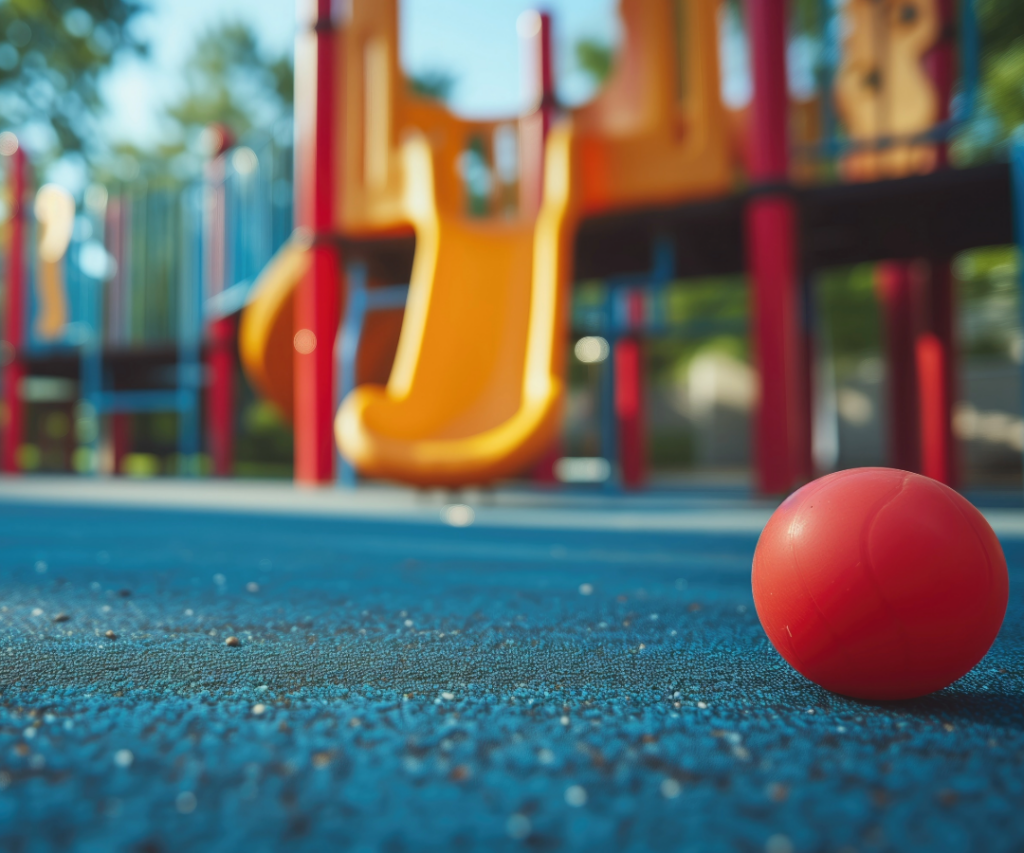
The Reality: Recess Is Shrinking
Despite what we know, playtime in schools is declining.
Research shows children have lost significant hours of play each week due to:
- Increased academic pressure
- Reduced recess and physical education
- Overscheduled days
- Safety concerns and structured environments
Some studies estimate children have lost up to 12 hours of play per week compared to previous generations. Recess—once a daily reset—is often treated as optional.
But here’s the problem:
When you remove play, you don’t get better learning.
You get burned-out brains.

Recess Isn’t Lost Time—It’s Learning Fuel
Play directly impacts how children return to the classroom.
During play:
- Stress hormones like cortisol decrease
- Attention and focus improve
- Social conflicts are worked through in real time
- The brain resets for learning
Without these breaks, children are expected to sit, focus, and regulate emotions without the very tools that help them do so. That’s not rigor. That’s overload.
The Screen Shift: From Pencil to Chromebook
Alongside the loss of play, another major shift is happening:
Hands-on learning is being replaced by screen-based learning. Chromebooks, tablets, and digital platforms are now central in many classrooms—even in early elementary years.
Technology has its place. But when it replaces:
- Writing by hand
- Building, creating, and manipulating objects
- Face-to-face collaboration
- Imaginative exploration
…it creates an imbalance.
Why This Combination Matters
Less play + more screen time is not a neutral trade-off. It’s a developmental mismatch.

Research shows that when children have fewer opportunities for independent, unstructured play:
- They develop less autonomy and confidence
- They have fewer chances to problem-solve on their own
- They struggle more with stress, anxiety, and emotional regulation
- Their creativity and internal motivation decline
Play is where children learn to:
- Make decisions
- Navigate challenges
- Create meaning
Screens often do that for them.
What We’re Seeing in Kids Today
This shift is showing up in real ways:
- Shorter attention spans
- Increased anxiety and stress
- Difficulty with problem-solving and resilience
- Less imaginative, open-ended thinking
- More dependence on external direction
And while many factors contribute to youth mental health trends, researchers increasingly point to a decline in play and independence as a key piece of the puzzle.
Play Regulates the Brain in Ways Screens Can’t.
Play is sensory.
It’s physical.
It’s social.
It’s unpredictable.
It activates the whole brain and body.
It also buffers stress—helping protect children from what researchers call “toxic stress,” which can interfere with brain development when left unmanaged.
Screens, on the other hand, are:
- Passive (even when interactive)
- Controlled
- Predictable
- Often isolating
They don’t replace the full-body, full-brain experience of play.
This Isn’t About Removing Technology. This isn’t an anti-technology argument. It’s a balance argument.
Children need:
- Time to move
- Time to imagine
- Time to build
- Time to connect
Before they can sit, focus, and perform.
Rebuilding a Healthier Childhood
If we want to support healthier, more resilient kids, the solution isn’t complicated—but it does require a shift in priorities:
- Protect daily recess (not as a reward, but a requirement)
- Prioritize unstructured, child-led play
- Limit unnecessary screen substitution in early learning
- Reintroduce hands-on, tactile experiences
- Recognize play as essential—not optional

Final Thought: What Children Build Through Play Matters Most
We often measure what children produce:
Worksheets.
Test scores.
Digital outputs…
Those are easy to see.
But the most important things they’re building? We can’t always see them.
Confidence.
Resilience.
Creativity.
Emotional strength.
Those are built through play.
One block at a time. 💙