

By: Jennifer Stein
Recess was once a protected part of the school day.
It wasn’t conditional.
It wasn’t flexible.
It wasn’t something that could be exchanged for extra instruction or withheld to manage behavior.
Today, in many elementary schools, recess has become negotiable — shortened during testing weeks, replaced with indoor screen time or tabletop activities during inclement weather, or removed as a consequence for classroom behavior.
While indoor alternatives may provide supervision and structure, they are not developmentally equivalent to outdoor, peer-driven physical play. For young children, that distinction matters.
Recess is not a break from learning.
It is part of how learning happens.
Recess Is Being Reduced — But Not Everywhere
Across the United States, recess time has declined over the past few decades. The Centers for Disease Control and Prevention (CDC) recommends that schools provide at least 20 minutes of daily recess to help children reach the national guideline of 60 minutes of physical activity per day.
(Source: CDC – Physical Activity Guidelines for School-Aged Children
https://www.cdc.gov/physicalactivity/basics/children/index.htm)
Yet many schools fall short of that recommendation.
In some districts:
- Recess is shortened during testing weeks
- Recess is canceled due to cold or wet weather without indoor alternatives
- Entire grades lose recess time for procedural practice
- Recess is withheld as a consequence for classroom behavior
When recess becomes conditional, it sends an unintended message: play is extra.
But this approach is not universal.
A Global Perspective on Play and Performance
In Sweden, outdoor free play is a foundational part of early education. Daily outdoor time is expected — often in all types of weather — based on the belief that movement, risk-taking, and unstructured exploration are essential to development. The cultural philosophy of friluftsliv (“open-air living”) reflects the understanding that children regulate and learn best when connected to movement and nature.
Japan, often perceived as academically rigorous, also protects physical activity in the elementary years. Japanese elementary students have multiple short breaks throughout the day, regular physical education, and strong emphasis on hands-on, experiential learning in early grades. Movement is integrated into daily routines rather than treated as time away from instruction.
Both Sweden and Japan consistently perform at or above OECD averages on the Programme for International Student Assessment (PISA), which measures reading, math, and science proficiency among 15-year-olds worldwide.
(Source: OECD – Programme for International Student Assessment (PISA)
https://www.oecd.org/pisa/)
Countries that protect time for physical activity and unstructured learning also demonstrate strong academic outcomes on global benchmarks.
Physical activity and academic performance are not competing priorities.
They are complementary.
What the Research Says
The American Academy of Pediatrics (AAP) states clearly:
“Recess is a crucial and necessary component of a child’s development and should not be withheld for punitive or academic reasons.”
(Source: American Academy of Pediatrics – The Crucial Role of Recess in School
https://publications.aap.org/pediatrics/article/131/1/183/30933/The-Crucial-Role-of-Recess-in-School)
Research consistently supports this position.
Studies published in Pediatrics and Frontiers in Psychology show that regular physical activity and unstructured play:
- Improve attention and on-task behavior
- Support executive functioning skills
- Reduce disruptive behavior
- Enhance emotional regulation
- Improve peer relationships
- Strengthen problem-solving skills
(Source: Frontiers in Psychology – Effects of Physical Activity on Executive Function
https://www.frontiersin.org/articles/10.3389/fpsyg.2019.00646/full)
Children who receive regular recess demonstrate better classroom behavior and improved concentration compared to those who do not.
Removing recess to improve behavior or academic performance often produces the opposite outcome.
Why the Elementary Years Matter Most
Between ages 5–11, children are building core developmental capacities:
- Emotional regulation
- Self-control
- Social negotiation skills
- Risk assessment
- Gross motor strength
- Cognitive flexibility
Unstructured outdoor play supports all of these systems simultaneously.
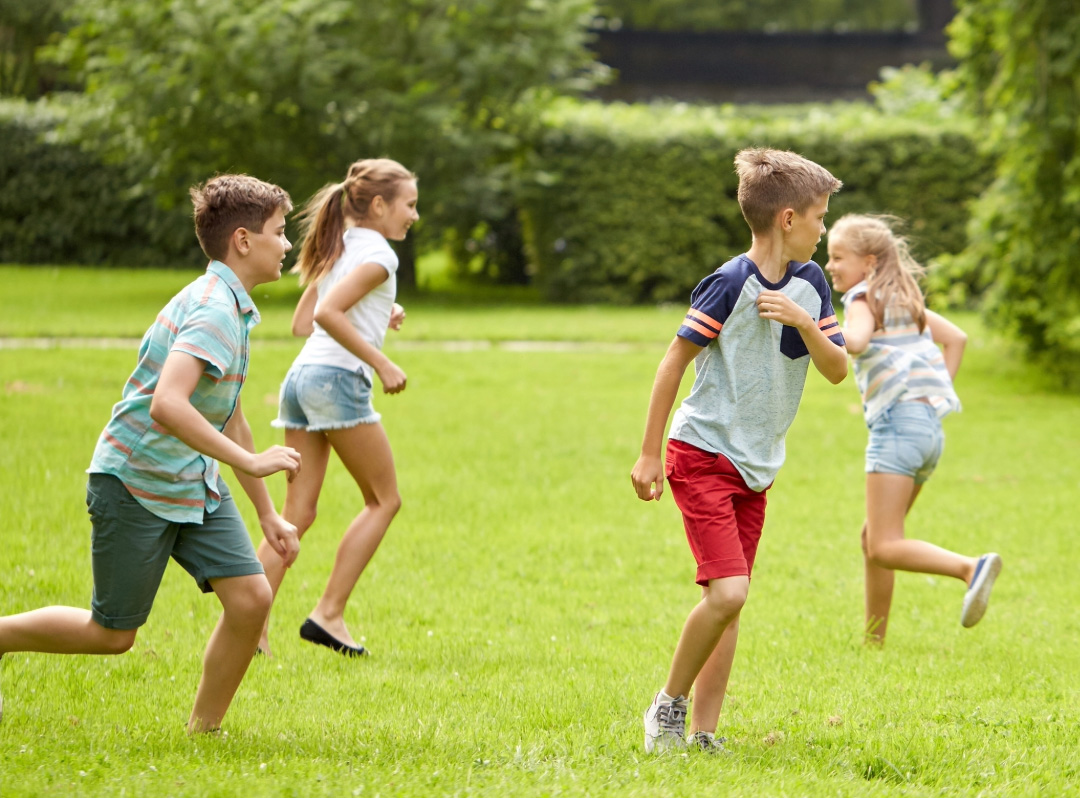
Recess is where children practice cooperation without scripts, resolve conflicts independently, test physical limits safely, and reset their nervous systems after extended periods of structured instruction.
Without adequate movement and play, stress hormones rise, focus decreases, and behavioral challenges increase.
The very behaviors that sometimes lead to recess being removed — restlessness, distraction, impulsivity — are often symptoms of insufficient movement.
Recess Is a Behavioral Tool — Not a Reward
Physical activity:
- Reduces cortisol (stress hormone) levels
- Increases endorphins and dopamine
- Improves mood stability
- Enhances working memory and cognitive control
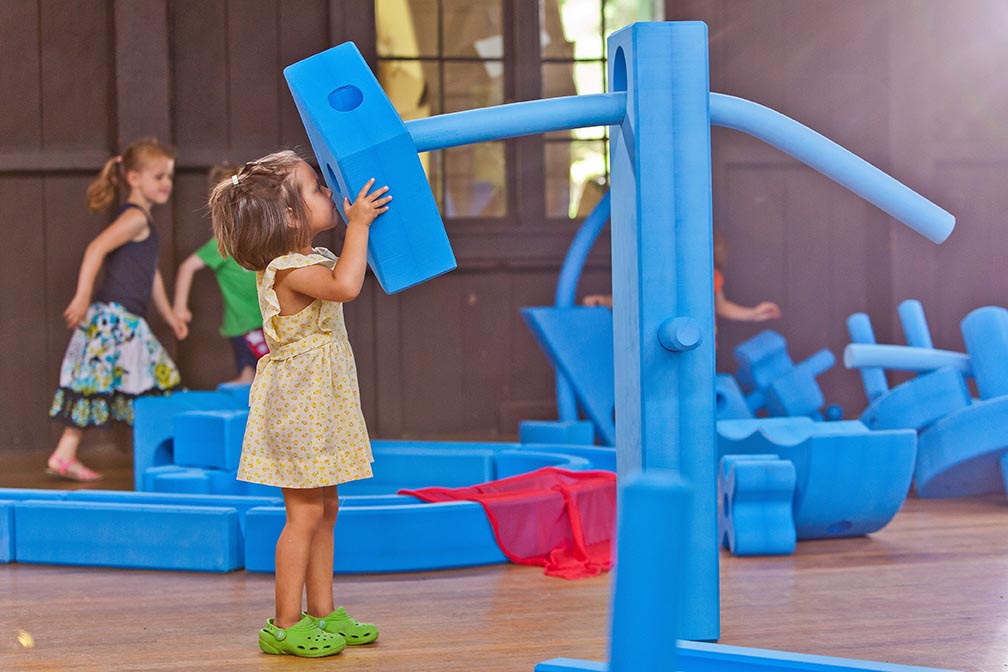
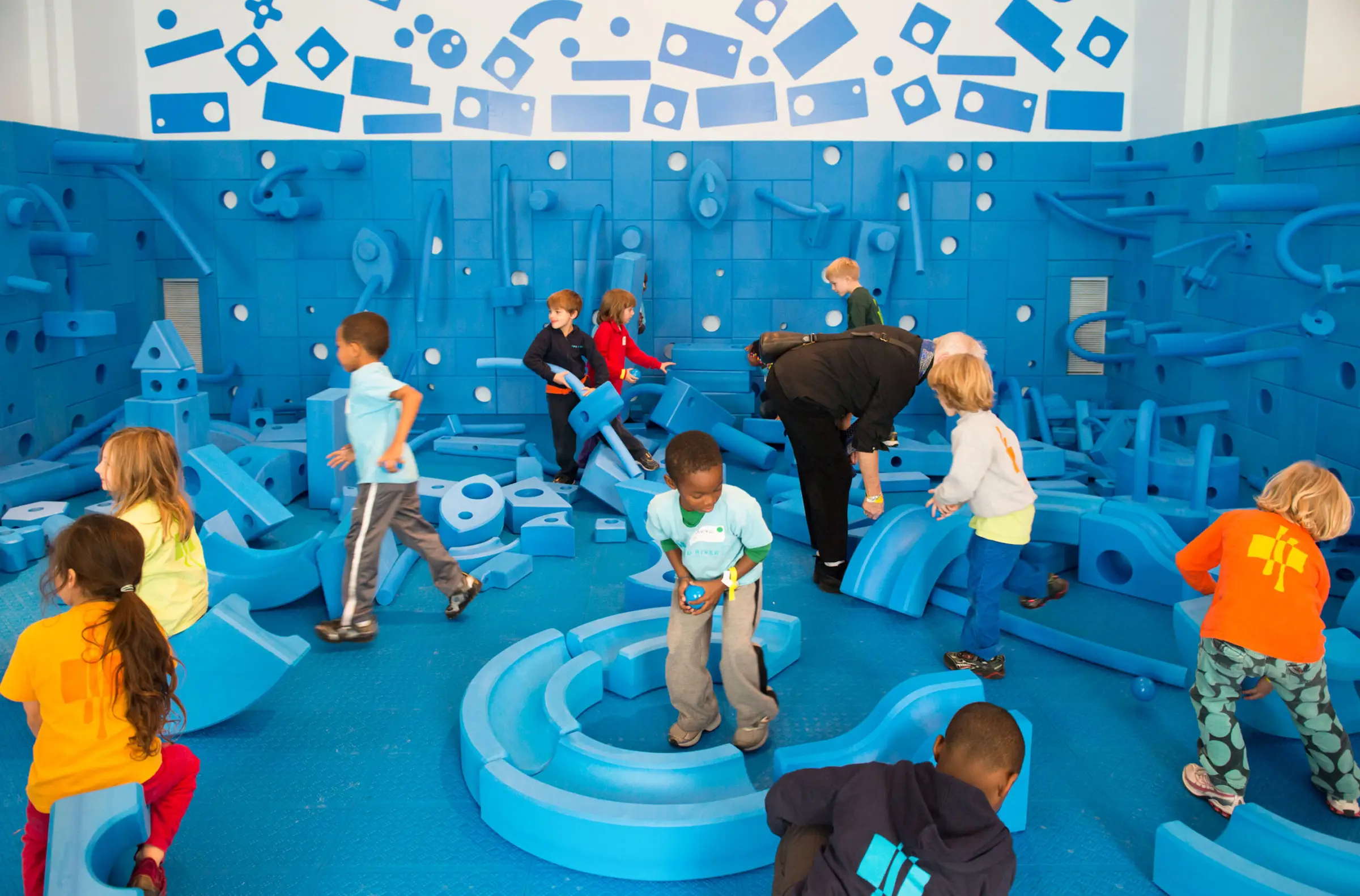
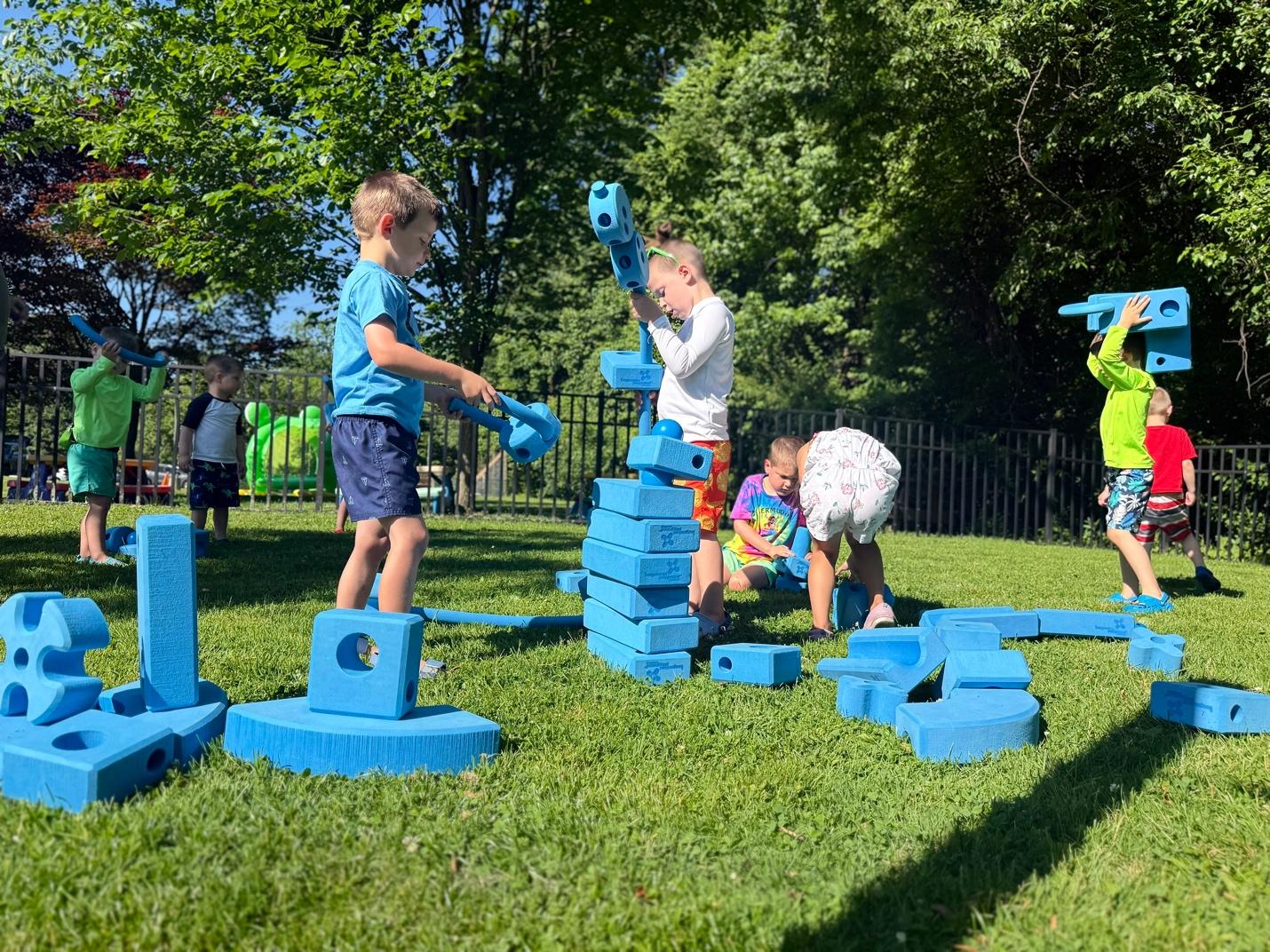
Movement increases blood flow to the brain and strengthens neural pathways tied to attention and learning. When children are given time to move freely, build, imagine, collaborate, and explore, they return to the classroom more regulated and ready to engage.
Recess is not a privilege to be earned. It is a biological need. Using it as leverage may temporarily control behavior, but it does not address the underlying developmental requirement for movement and play.
The Academic Paradox
Increased testing and performance pressure have contributed to the shrinking recess window. Yet research consistently shows that physical activity directly supports cognitive function.
When recess is reduced in the name of academics, schools may unintentionally undermine the very outcomes they are trying to improve. Protecting recess does not lower standards. It strengthens the neurological and emotional systems that allow children to meet them.
Recess Is Not “Extra”
For elementary-aged children, recess is not downtime.
It is not filler.
It is not expendable.
It is essential to:
- Physical health
- Mental health
- Social development
- Academic readiness
The American Academy of Pediatrics is clear: recess should not be withheld for academic or punitive reasons. As conversations about academic rigor and student outcomes continue, one question remains: Are we protecting the very practices that help children thrive?
Reclaiming the Value of Play
Recess supports the whole child. When protected, it strengthens classrooms, reduces behavioral challenges, and improves learning outcomes. Protecting daily recess time is not a nostalgic request. It is a developmentally sound investment.
Play is not extra.
For children, it is essential.